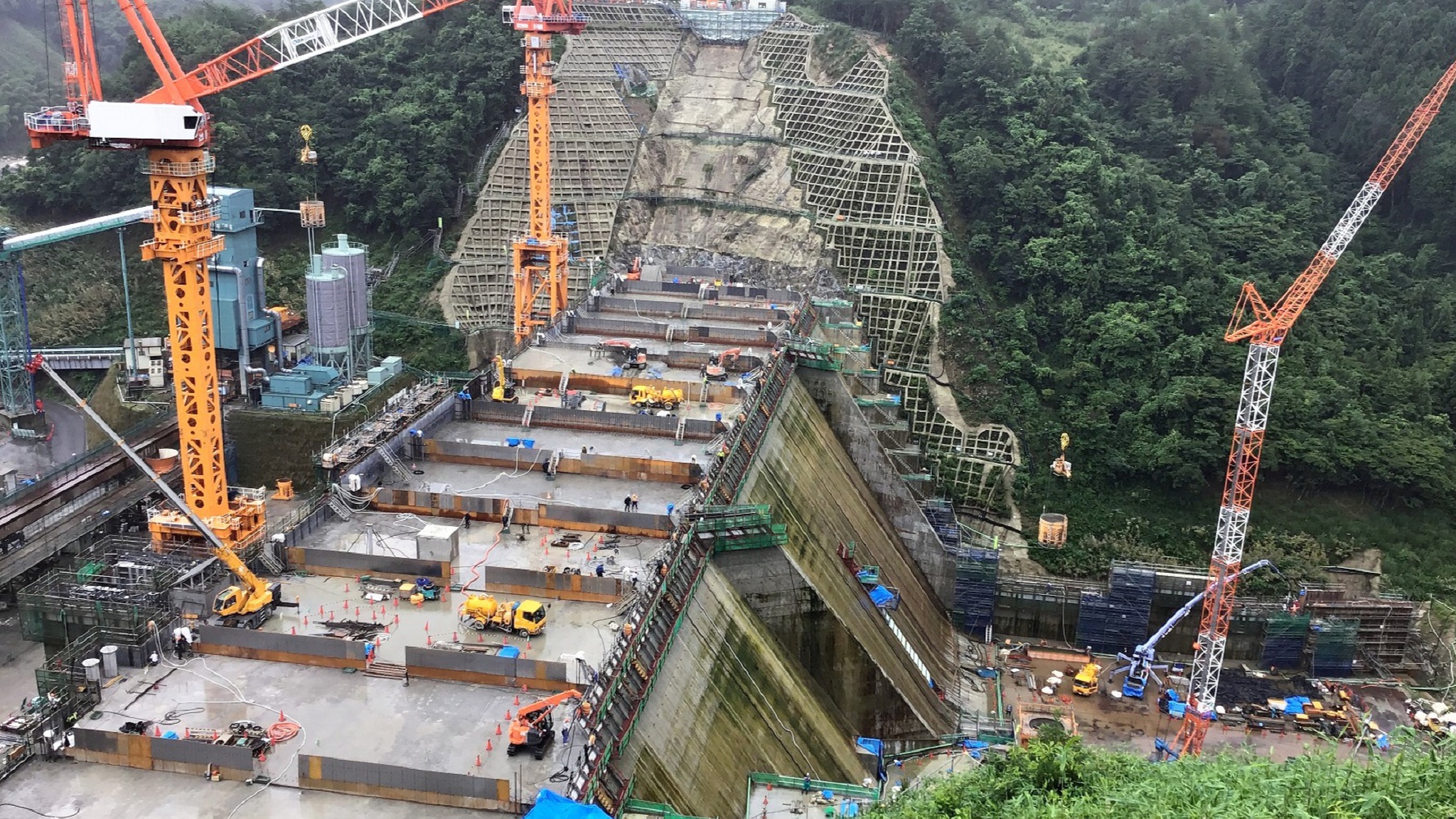

Dam construction and related facilities
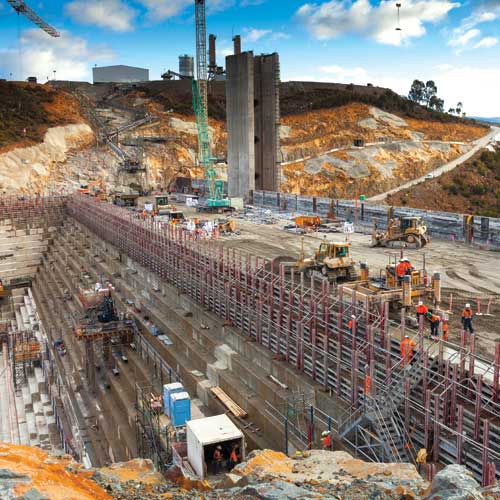
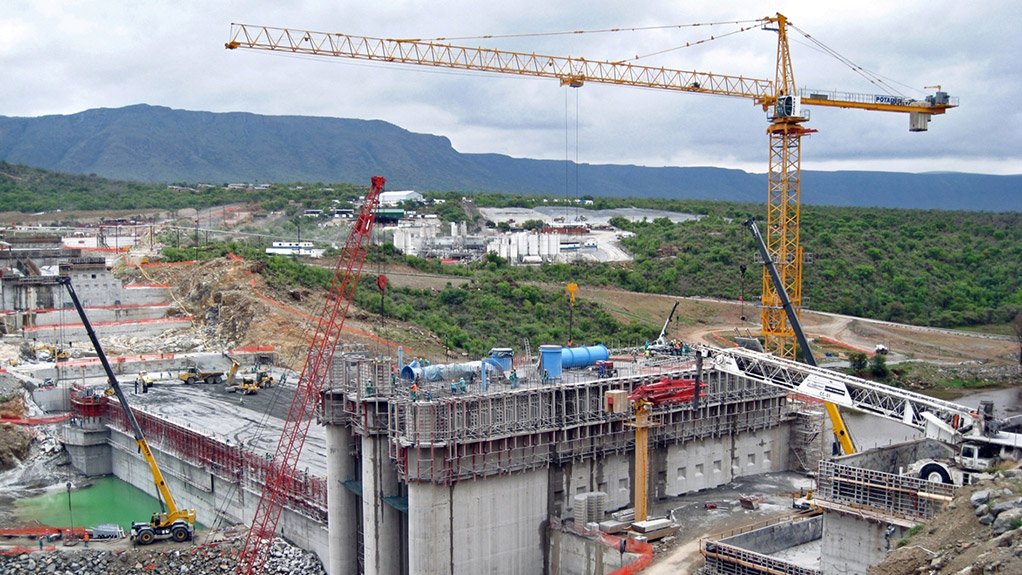
A dam or "dam" is a structure built on a river or body of water to retain, divert, or control water. A body of water stored behind a dam is usually called a reservoir or a lake. Dams contain floods and the water stored behind them is used for activities such as irrigation, human consumption, industrial use, aquaculture and shipping. Hydroelectricity is often used together with dams to generate electricity. A dam can also be used to collect or store water and then distribute this water evenly among different locations. Generally, the main purpose of building dams is to store water, while other structures such as floodgates or embankments are used to manage water or prevent water from flowing to certain areas of the land.
In this section, we will give a brief explanation about the dams.
Types of dams:
From a static point of view, dams are divided into two main groups:
1) weight barriers
2) Arch dams
tip :
Foundation dams, back dams and wooden dams are other types of dams.
From a hydraulic point of view, dams are divided into two main groups:
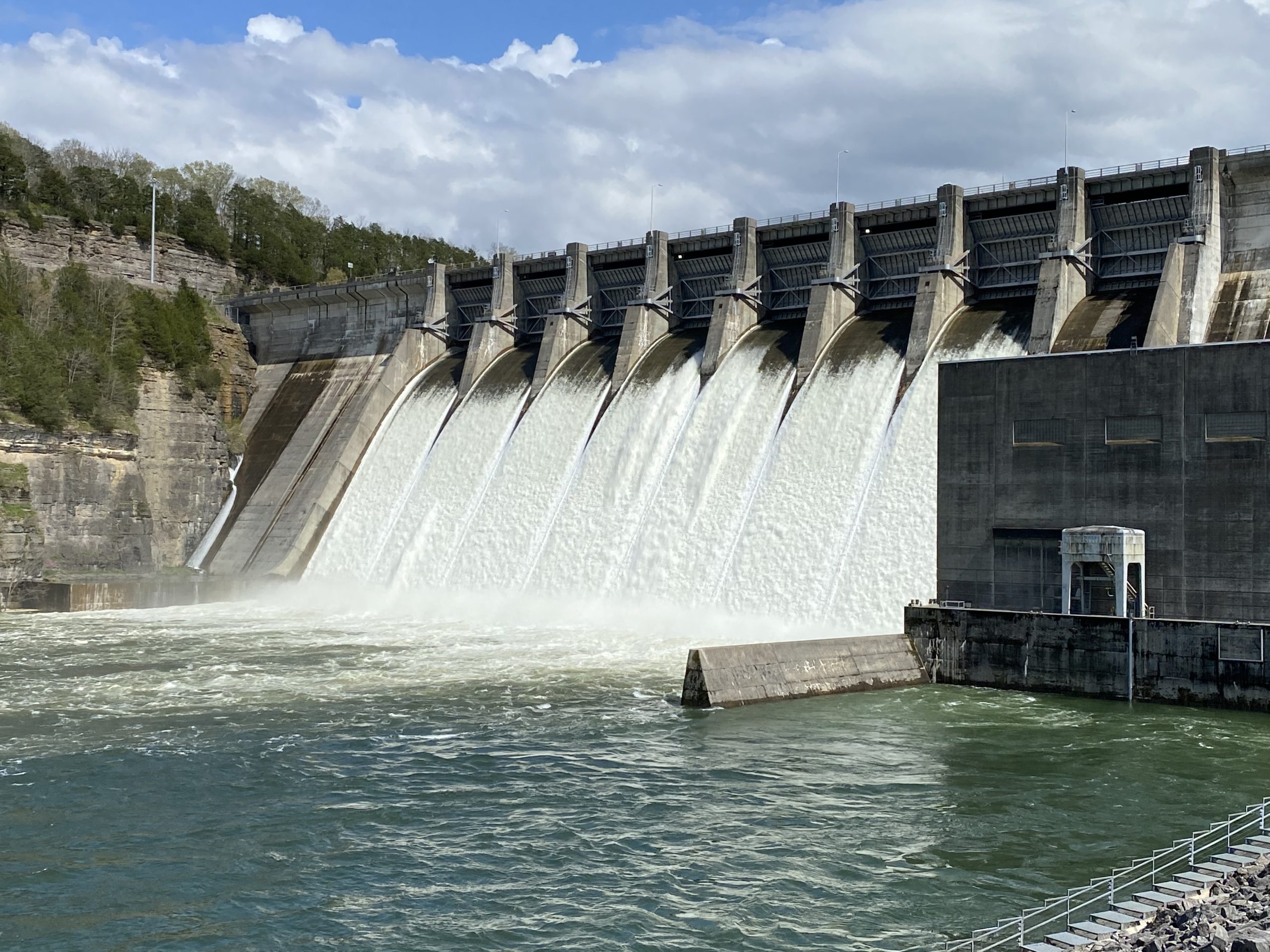
1) Spillway Dam:
It is a dam that allows excess water in the tank to pass over the crown.
2) non-overflow dam:
A dam that does not allow water to pass over the crown. In these dams, separate spillways are used to control the flow and water level of the tank.
weight barriers:
Since the weight of the dam structure must be able to withstand the high water pressure, this type of dams usually have a very large volume. Obviously, in the construction of a structure of this volume, the most economical issue is the issue of providing materials; Therefore, these dams usually use the materials available in their construction site. It is obvious that the most available such materials are stone and soil. For these reasons, weight dams are built in two types: concrete dams and earthen dams.
Arch dams:
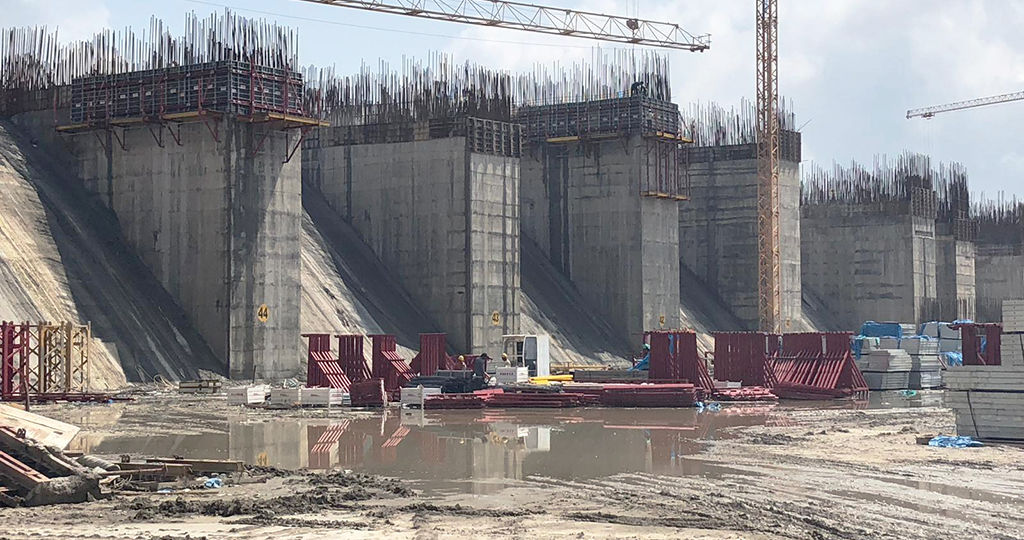
The basis of the force to overcome the water pressure in these dams is the transfer of this force to the walls of the valley and, in fact, the geometric shape of the dam. These dams, at least on large scales, are often made of unreinforced concrete. In order to prevent different levels of concrete from flaking on each other, many large dams of this type are poured in layers, usually in layers of 2 or 3 meters. The surface of each concreted layer is washed immediately so that the concrete of the next layer (stage) adheres well to the previous concrete and prevents different layers of concrete from flaking on each other. These dams are built as blocks, and at the end, cement slurry is injected between the blocks, which is called a joint, so that the dam works in a unified manner.
Embankment dams :
In earthen dams, what actually holds back the water is a relatively thin core of clay. Clay has the property that when wet, it becomes a good insulator for water penetration. (That's why the roofs of the old houses are thatched) except for the clay core, the rest of the dam's volume is made up of stones and soil that are not soluble in water. Because the dissolved stones after some time will reduce the weight of the dam and mess up the calculation results.
Earthen dams always face the problem of height limitation and are mostly suitable for wide and low-slope valleys (Panzdeh Khordad Dam, Dilijan). On the contrary, arch dams are suitable for deep and narrow valleys, such as: (Karaj Dam)
River dam:
A river dam is a special type of dam that consists of a series of large gates that can be opened or closed to control the amount of water passing through the dam. The gates are located between the side piers, which are responsible for supporting the water load and are often used to control and stabilize the water flow for irrigation systems.